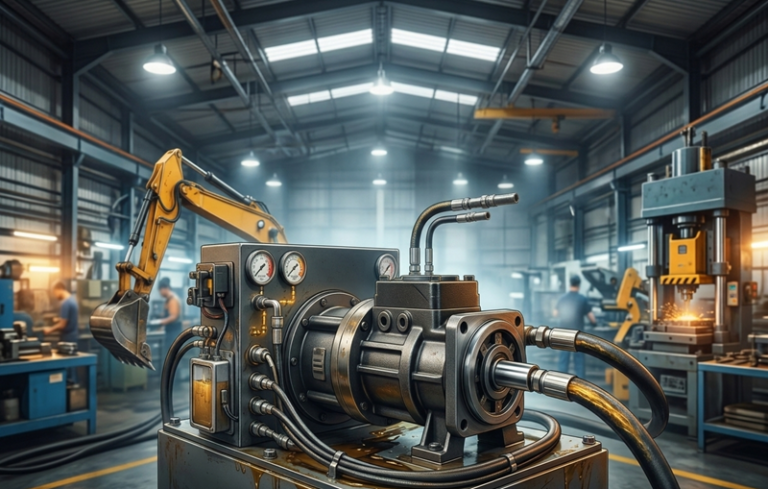
Industrial machinery operates under demanding conditions that involve high speeds, heavy loads, and continuous movement of mechanical parts. Without proper lubrication, these components can quickly wear out, overheat, or fail completely. Lubrication pumps play a vital role in preventing these problems by delivering a controlled and consistent supply of lubricating oil or grease to critical machine components.
By ensuring proper lubrication throughout the system, lubrication pumps help maintain machine efficiency, extend equipment lifespan, and reduce costly downtime.
What is a Lubrication Pump?
A lubrication pump is a mechanical device designed to supply lubricating fluid to different parts of machinery. The pump distributes oil or grease to bearings, gears, shafts, and other moving components that require lubrication to operate smoothly.
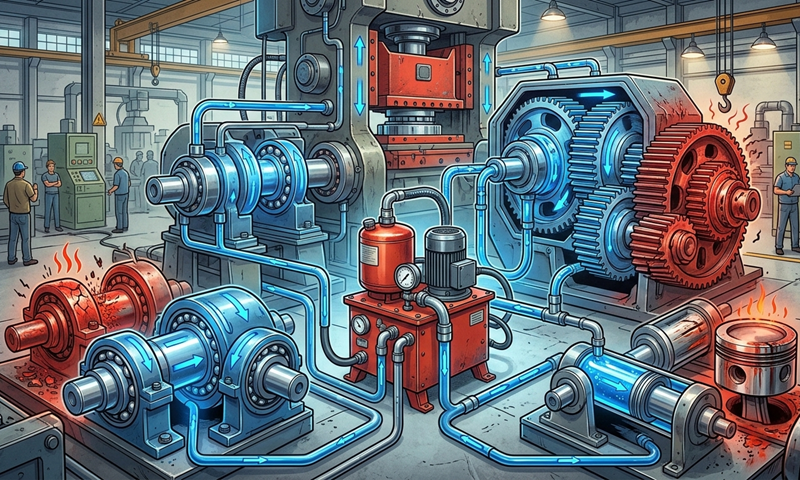
In many industrial systems, lubrication pumps are part of centralized lubrication systems. These systems automatically deliver the correct amount of lubricant to multiple points in the machine, eliminating the need for manual lubrication and reducing the risk of human error.
How Lubrication Pumps Work
Lubrication pumps function by drawing lubricant from a reservoir and pushing it through a network of pipes, valves, and distribution lines. The lubricant is then delivered directly to machine components that require protection from friction and wear.
Some lubrication pumps operate continuously, while others function on timed cycles depending on the machine’s operating conditions. Advanced systems may include sensors and control units that regulate the amount and timing of lubrication to ensure optimal performance.
Importance of Lubrication in Industrial Machinery
Lubrication is essential for maintaining the performance and reliability of industrial equipment. Without proper lubrication, metal surfaces in motion can create excessive friction, leading to rapid wear and overheating.
Lubrication pumps ensure that the right amount of lubricant reaches critical components at the right time. This helps maintain a protective film between moving parts, allowing machines to operate smoothly even under high pressure and heavy loads.
Key Benefits of Lubrication Pumps
Reduced Friction and Wear
Lubrication pumps provide a consistent flow of lubricant that minimizes direct contact between metal parts. This reduces friction and prevents premature wear.
Extended Equipment Life
By protecting components from excessive heat and mechanical damage, lubrication pumps help extend the lifespan of industrial machinery.
Improved Operational Efficiency
Well-lubricated machines operate more smoothly and require less energy to perform their tasks, improving overall efficiency.
Lower Maintenance Costs
Automated lubrication systems reduce the need for frequent manual maintenance and help prevent costly equipment failures.
Enhanced System Reliability
Reliable lubrication ensures consistent machine performance, which is essential in industries that depend on continuous production.
Common Applications of Lubrication Pumps
Lubrication pumps are used in many types of industrial equipment and systems, including:
-
Manufacturing and production machinery
-
Conveyor systems
-
Mining and heavy equipment
-
Steel and metal processing plants
-
Power generation equipment
-
Marine and transportation machinery
In these applications, lubrication pumps help maintain stable operations and protect critical mechanical components from damage.
Types of Lubrication Pumps
Different types of lubrication pumps are designed to meet specific industrial requirements.
Gear Lubrication Pumps
These pumps use rotating gears to move lubricant through the system and are commonly used in heavy-duty applications.
Piston Lubrication Pumps
Piston pumps provide precise lubrication and are often used in centralized lubrication systems.
Electric Lubrication Pumps
Electric pumps are automated and widely used in modern industrial systems that require controlled and consistent lubrication.
Manual Lubrication Pumps
Manual pumps are typically used in smaller systems where automated lubrication is not required.
The Role of Maintenance
Even though lubrication pumps help protect machinery, they also require regular maintenance to perform effectively. Checking lubricant levels, cleaning filters, and inspecting distribution lines are important steps in maintaining a reliable lubrication system.
Using high-quality lubricants and maintaining proper system pressure also ensures that the pump can deliver consistent lubrication to all critical components.
Conclusion
Lubrication pumps are essential components in modern industrial machinery. They ensure that moving parts receive the lubrication needed to reduce friction, prevent wear, and maintain efficient operation. By delivering consistent and controlled lubrication, these pumps help industries improve productivity, extend equipment lifespan, and reduce maintenance costs.
As industrial systems continue to evolve, lubrication pumps remain a key part of ensuring reliable and long-lasting machine performance. Proper lubrication management not only protects valuable equipment but also supports the smooth and efficient operation of entire industrial processes.