Hydraulic systems are widely used across industries to generate, control, and transmit power through pressurized fluid. At the center of these systems lies one of the most important components: the hydraulic oil pump. Without this essential device, hydraulic systems would not be able to move fluid, generate pressure, or operate machinery effectively. Hydraulic oil pumps play a critical role in ensuring the smooth and reliable operation of many types of industrial equipment.
What is a Hydraulic Oil Pump?
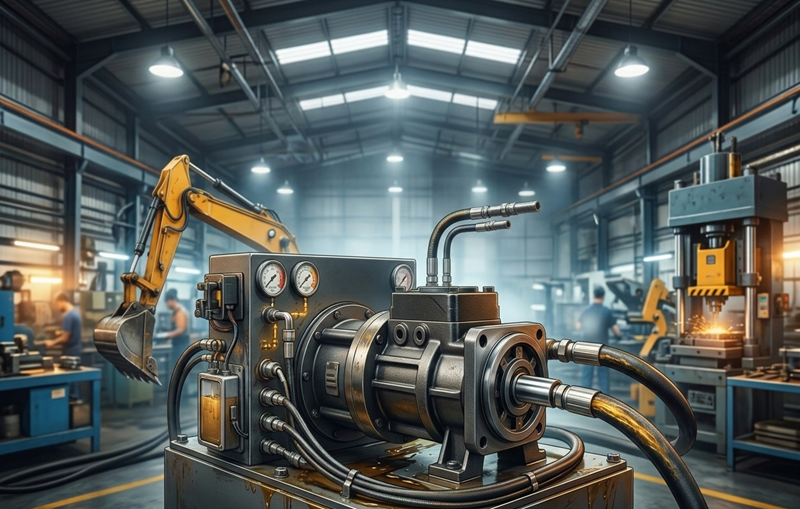
A hydraulic oil pump is a mechanical device designed to convert mechanical energy into hydraulic energy by moving hydraulic fluid through a system. The pump draws oil from a reservoir and forces it into the hydraulic circuit, creating the flow required to power actuators, motors, and other components.
The pressure generated by the pump allows hydraulic systems to perform heavy-duty tasks with precision and efficiency. These pumps are commonly found in machinery that requires strong and controlled movement, such as construction equipment, manufacturing machines, and industrial presses.
How Hydraulic Oil Pumps Work
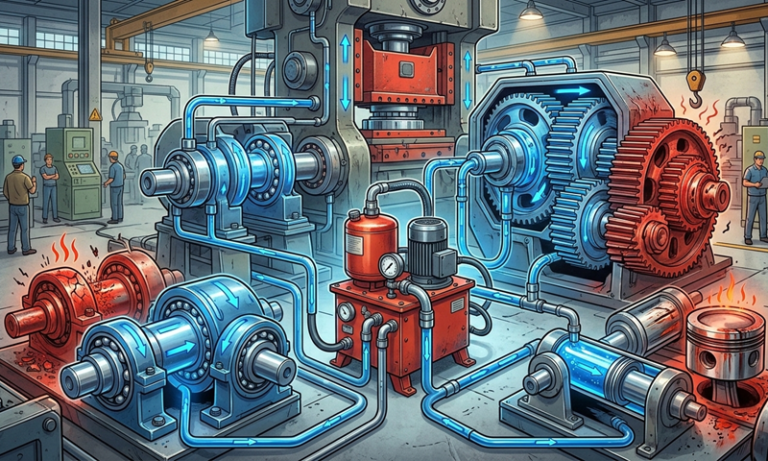
Hydraulic oil pumps operate by creating a flow of fluid within a closed hydraulic system. When the pump begins operating, it creates a vacuum at the inlet, drawing hydraulic oil from the reservoir. The oil is then pushed through the pump and into the hydraulic lines under pressure.
This pressurized oil travels through valves and control systems before reaching hydraulic cylinders or motors that convert the hydraulic energy into mechanical motion. The continuous flow of oil keeps the system functioning smoothly while maintaining stable pressure levels.
Types of Hydraulic Oil Pumps
Different types of hydraulic oil pumps are used depending on the application and system requirements. Each type offers specific advantages in terms of pressure capacity, efficiency, and durability.
Gear Pumps
Gear pumps are among the most common types used in hydraulic systems. They are known for their simple design, durability, and ability to handle a wide range of operating conditions. Gear pumps are widely used in industrial machinery and mobile equipment.
Vane Pumps
Vane pumps offer smoother and quieter operation compared to many other pump types. They are often used in applications that require steady fluid flow and consistent pressure.
Piston Pumps
Piston pumps are designed for high-pressure applications and are commonly used in heavy industrial and construction equipment. These pumps provide excellent efficiency and precise control of hydraulic fluid.
Industrial Applications of Hydraulic Oil Pumps
Hydraulic oil pumps are used in a wide range of industries where controlled power and force are required. Some common applications include:
-
Manufacturing and processing plants
-
Construction and heavy equipment
-
Mining operations
-
Marine and offshore systems
-
Energy and power generation facilities
-
Agricultural machinery
In these industries, hydraulic oil pumps enable machines to lift heavy loads, operate precision tools, and maintain reliable performance under demanding conditions.
Key Benefits of Hydraulic Oil Pumps
Hydraulic oil pumps provide several advantages that make them essential in modern industrial systems.
High Power Density
Hydraulic systems can produce large amounts of power using relatively compact components, making them ideal for heavy-duty operations.
Reliability and Durability
Well-designed hydraulic oil pumps are built to withstand harsh operating environments and continuous usage.
Efficient Power Transmission
Hydraulic pumps allow smooth transfer of energy through fluid pressure, enabling accurate and controlled machine movement.
Versatile Applications
These pumps can be used in a wide variety of systems and industries, from small mechanical equipment to large industrial machinery.
Importance of Quality and Maintenance
The performance of a hydraulic system largely depends on the quality and condition of the hydraulic oil pump. Regular maintenance, proper lubrication, and the use of high-quality components are essential for ensuring long service life and reliable operation.
Routine inspections help detect issues such as leaks, contamination, or wear before they lead to major system failures. Proper maintenance not only extends the life of the pump but also improves the overall efficiency of the hydraulic system.
Conclusion
Hydraulic oil pumps are truly the backbone of modern hydraulic systems. By converting mechanical energy into hydraulic power, they enable industries to operate powerful machinery with accuracy and reliability. From construction and manufacturing to energy and marine applications, these pumps play a vital role in keeping industrial processes running smoothly.
As technology continues to advance, modern hydraulic oil pumps are becoming more efficient, durable, and capable of meeting the growing demands of industrial operations worldwide. Choosing the right pump and maintaining it properly ensures optimal performance and long-term productivity for any hydraulic system.